Choosing between Corona and Eastvale can feel like splitting hairs. Both sit in the Inland Empire, offer suburban comfort, and put you within reach of major job centers. Still, the right fit comes down to your budget, commute, and the kind of home and lifestyle you want day to day. In this guide, you’ll see clear differences in price, housing stock, commute options, and amenities so you can pick with confidence. Let’s dive in.
Price snapshot: Jan 2026
If you are comparing costs first, the headline is simple. Eastvale’s median sale price sits around $970,000 as of January 2026. That reflects a market with many newer homes and active builder inventory. Homes may sit on the market a bit longer depending on product and price tier, but you’ll generally pay a premium for newer floorplans and larger homes.
Corona’s typical home value runs closer to $750,000 to $760,000 as of January 2026. Citywide, prices vary widely by neighborhood and product. Older downtown homes and mid-century tracts can price below city medians, while hillside, golf, or master-planned sections can run well above.
Monthly medians shift with market conditions. Treat these figures as your baseline and plan to refresh numbers when you are ready to tour.
Housing stock and new builds
Eastvale homes at a glance
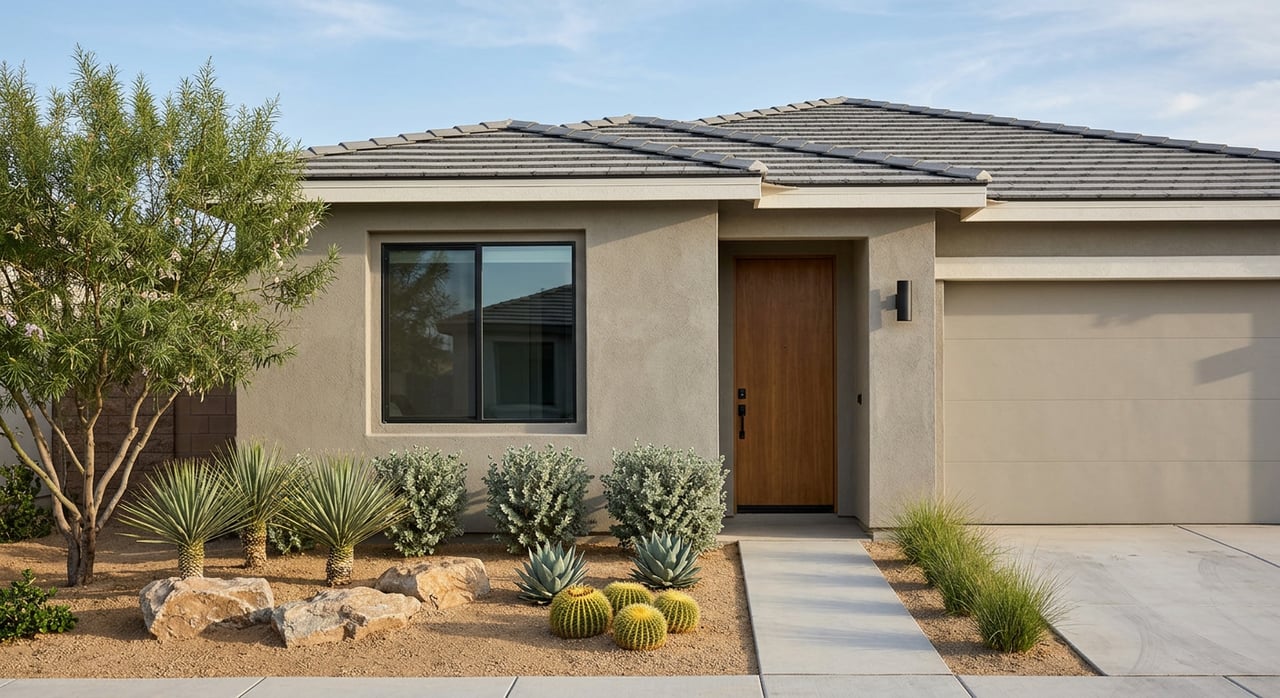
Eastvale is known for recent master-planned communities. You’ll see many single-family homes and townhome clusters built in the past 10 to 20 years. Typical new or newer plans range from about 1,800 to 3,400 square feet, often with 3 or more bedrooms, multi-car garages, and planned parks or open space nearby. The city’s newer suburban layout means many neighborhoods were designed with convenience in mind, including nearby retail and local parks highlighted on the City of Eastvale overview.
With more new-home activity, expect pricing to start in the high 700s for some smaller or attached plans, with many single-family options listing higher. Premium plans can exceed the million-dollar mark depending on size and location. If you value newer construction, builder warranties, and modern layouts, Eastvale fits that profile.
Corona homes at a glance
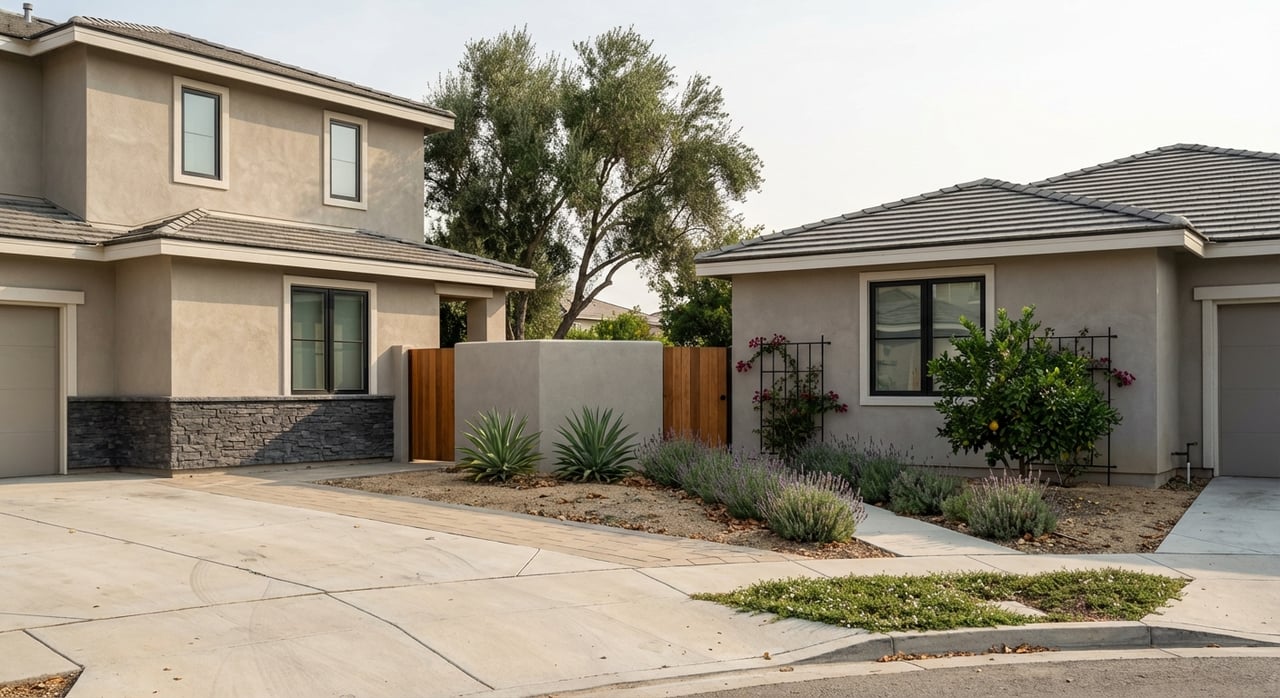
Corona offers a broader mix. You’ll find smaller, older homes near the historic core, 1980s–2000s suburban tracts, and higher-end hillside or golf neighborhoods. Corona also includes modern master-planned pockets, such as the Bedford community, which brings multiple builders and contemporary floorplans to the market.
Because the city includes both established and new sections, buyers can target value in older resales or fresh builds in newer areas, often at price points below or near Eastvale depending on product and neighborhood. The variety can also create opportunities if you want to renovate or customize.
Commute and transportation
Driving corridors you’ll use
Eastvale sits between major corridors including I-15 and State Routes 60, 71, and 91, which the City of Eastvale overview highlights as a commuter advantage. That positioning gives you multiple route options toward Ontario, Riverside, and parts of Orange County.
Corona hugs I-15 and SR-91. The SR-91 westbound is the well-known route into Orange County. Corona’s location gives you direct access to that corridor along with local arterials and connectors listed on the City of Corona site.
Train and transit options
If you prefer to mix driving with rail, Corona stands out. The city has two Metrolink stations, Corona – North Main and Corona – West, on lines that connect to Riverside, Orange County, and Los Angeles. You can review station and line details on OCTA’s Metrolink page.
Eastvale does not have a Metrolink station inside city limits. Residents typically drive to nearby stations in Corona or Riverside or use regional bus service to connect. The Riverside Transit Agency runs local and commuter routes serving the Corona–Norco–Eastvale corridor, which you can explore through the RTA rider resources. Inside Corona, the Corona Cruiser also links neighborhoods with Metrolink hubs.
Typical travel times
Average one-way commute times provide a helpful baseline. Recent American Community Survey profiles show Eastvale at about 37 to 38 minutes and Corona at about 34 minutes. You can view the data on Census Reporter’s Eastvale profile and Corona profile. Personal commute times vary based on where you live, time of day, and whether you use rail or express lanes.
Traffic realities to plan around
Expect congestion on the SR-91 corridor, often called the “Corona Crawl.” Regional coverage underscores heavy peak-period delays for Inland Empire to Orange County and Los Angeles commutes, as reported by SFGate. If your daily drive targets Anaheim, Santa Ana, Irvine, or downtown Los Angeles, consider Metrolink, carpool lanes, or flexible hours to smooth the trip.
Lifestyle and amenities
Eastvale daily rhythm
Eastvale reads as a newer suburban city with thoughtfully planned parks, trails, and neighborhood retail. City resources highlight ongoing commercial growth and community amenities that keep daily errands close to home. For many residents, this layout means shorter local drives to grocery stores, coffee spots, and pocket parks noted on the City of Eastvale overview.
Corona daily rhythm
Corona brings an established city mix. You can enjoy a historic downtown circle area, cultural stops like the Fender museum, and family-friendly attractions such as Dos Lagos, The Crossings, and Tom’s Farms. A summary of local highlights appears on the EventsInCalifornia guide. For relaxation, the region’s well-known Glen Ivy Hot Springs is nearby, which you can preview through TripSavvy’s overview. Outdoor lovers can access local trails and the Santa Ana River Trail for biking and jogging.
Which city fits your goals?
- Choose Eastvale if you want the newest floorplans, larger modern homes, and community amenities common in master-planned neighborhoods. Expect higher median pricing in exchange for newer stock.
- Choose Corona if you want more price variety, value-hunting in older resales, or a blend of established and master-planned options. You will see a wider range of home ages, styles, and renovation potential.
- Choose Corona for train-friendly commutes. Two local Metrolink stations can shorten or simplify trips to Orange County or downtown Los Angeles. Eastvale remains commuter-friendly by car and bus but often involves driving or taking a bus to a rail station.
- Choose Corona if you want an established amenity mix with downtown options, shopping centers, and quick access to regional outings like Glen Ivy. Choose Eastvale for a newer suburban feel with parks and newer retail woven into master-planned neighborhoods.
Next steps to make a smart move
- Set your budget and target payment, then match it to median price ranges in each city.
- List your non-negotiables, such as bedroom count, yard size, or need for a home office.
- Test drive your commute to key job centers like Anaheim, Santa Ana, Irvine, Ontario, or downtown LA during peak hours.
- Decide if you prefer new construction conveniences or a resale with potential to personalize.
- Get local listing alerts and tour options lined up so you can act quickly when the right home appears.
When you are ready, let a local guide lead the way. Hablamos Español. Reach out to Rocio Valenzuela to compare neighborhoods, refine your search, and schedule showings.
FAQs
What are current home prices in Corona vs Eastvale?
- As of January 2026, Eastvale’s median sale price is about $970,000, while Corona’s typical home value is around $750,000 to $760,000, with wide variation by neighborhood and home type.
Is Corona or Eastvale better for commuting to Orange County?
- Corona often has an edge thanks to direct SR-91 access and two Metrolink stations, while Eastvale commuters typically use I-15 with connections to SR-60, SR-71, or SR-91 or drive or bus to a rail station.
Does Eastvale have a train station for Metrolink?
- Not within city limits, but residents can drive to nearby Corona or Riverside stations, or use Riverside Transit Agency routes that connect to Corona’s Metrolink hubs.
How do average commute times compare between the two cities?
- Recent ACS profiles show Eastvale at about 37 to 38 minutes one way and Corona at about 34 minutes, though your door-to-door time depends on your exact route and schedule.
Which city offers more new construction options?
- Eastvale generally has more active new-home communities and recent builds, while Corona provides a broader mix of older resales and select master-planned sections offering modern floorplans.