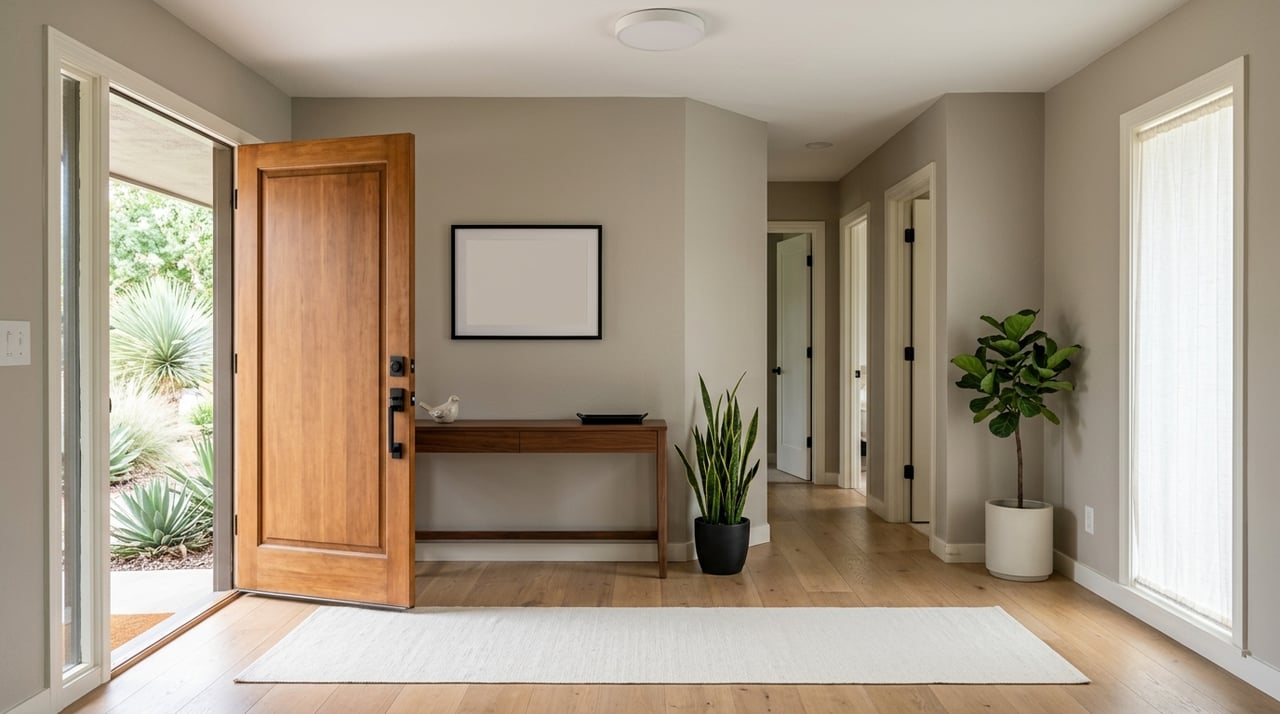
If you are selling your Corona home, the appraisal can feel like one of the most stressful parts of the transaction. You want the value to support the contract price, but you also may not be sure what the appraiser actually looks at or what you can do ahead of time. The good news is that smart preparation can make the process smoother, help your home show in its best light, and reduce avoidable issues. Let’s dive in.
What a home appraisal means
In a home sale, the appraisal is an independent opinion of market value used by the buyer’s lender to evaluate the property as collateral. In most purchase transactions, the buyer’s lender orders the appraisal, and the buyer usually reimburses the lender for the cost, according to Freddie Mac’s appraisal overview.
That independence matters. The appraiser is not there to “hit a number” for the seller or buyer. Their job is to evaluate the property and market data as objectively as possible.
It also helps to know that an appraisal is not the same thing as a home inspection. The Consumer Financial Protection Bureau explains that buyers generally need both, and an appraisal is less comprehensive than a licensed home inspection.
What appraisers look at in your Corona home
Appraisers review both the property itself and the broader market. According to Freddie Mac, they may consider the home’s location, lot size, condition, square footage, garage and driveway, appliances, HVAC, floors, walls, trim, roof, exterior, foundation, attic or basement areas, and outdoor amenities.
They also analyze comparable sales, often called “comps.” Per Fannie Mae guidance on comparable sales, those sales should be similar to your property in physical and legal characteristics and come from the subject property’s market area when possible.
If your home has an addition, converted space, or another improvement, details matter. Fannie Mae notes that even minor deferred maintenance must be reflected in the appraisal, and if an addition lacks required permits, the appraiser must comment on its quality, appearance, and possible market impact.
Focus on preparation, not pressure
The best mindset is simple: prepare your home well, but do not try to influence the appraiser’s opinion. Freddie Mac advises sellers to focus on maintenance, access, and documentation, not on pushing for a target value.
That approach usually works best anyway. A clean, accessible, well-maintained home is easier to evaluate and less likely to raise preventable concerns.
Tackle small repairs before the appointment
Minor issues may seem easy to ignore when you are already packing, cleaning, and managing showings. Still, small maintenance items can affect how the appraiser rates condition.
Freddie Mac specifically points to items like leaky faucets, flickering light bulbs, and unsecured stair railings as details that can lower a condition rating. Before the appraisal, it is worth making a quick pass through the home and fixing anything simple and visible.
Here are a few smart pre-appraisal fixes:
- Replace burned-out or flickering light bulbs
- Repair leaky faucets
- Secure loose stair railings
- Touch up worn or chipped paint
- Address obvious cosmetic wear if it is quick and affordable
- Make sure doors, gates, and windows open as expected
These updates will not change your home’s layout or square footage, but they can help present the property as well cared for.
Clean, declutter, and improve access
Presentation matters during an appraisal, even though this is not the same as a showing. Freddie Mac recommends decluttering and making every area visible and accessible.
That means clearing pathways, opening up rooms, and reducing anything that blocks access to key features. If the appraiser cannot easily see a wall, floor area, water heater, garage space, or storage room, the visit becomes harder than it needs to be.
Use this simple checklist:
- Clear clutter from main rooms
- Make sure the garage is easy to walk through
- Open access to the attic, basement, or crawl space if applicable
- Trim back anything blocking exterior walkways or gates
- Remove items covering walls, floors, or built-ins where possible
- Keep countertops and utility areas reasonably clear
A show-ready house is not about perfection. It is about making the home easy to inspect.
Leave utilities on if possible
This step is especially important if the home is vacant. According to HUD guidance, if utilities are off, the appraisal may be conditioned for further inspection to confirm that the water, gas, or electric are working.
In practical terms, that can create delays. If you can, keep utilities on so the appraiser can complete the visit without extra questions or follow-up conditions.
Create a one-page improvements list
One of the most useful things you can do is prepare a one-page bulleted list of improvements, including when the work was completed. Freddie Mac specifically recommends this because it helps the appraiser quickly understand updates that may not be obvious at first glance.
Your list might include:
- New roof and year completed
- HVAC replacement date
- Kitchen or bathroom updates
- Flooring replacement
- Windows or exterior doors replaced
- Water heater replacement
- Energy-efficient upgrades
- Landscaping or hardscape improvements
- Permitted additions or major remodels
Keep it factual and easy to scan. If you have permits or invoices for major work, have them available if questions come up.
Be available, but do not hover
The appraiser may have questions about updates, access points, or features that are easy to miss. Freddie Mac suggests being available to answer questions and point out hidden features, but not hovering during the visit.
A balanced approach works best. Greet the appraiser, share your improvements list, answer questions clearly, and then give them space to do their job.
It also helps to reduce distractions during the appointment. Freddie Mac recommends keeping pets outdoors or in the garage during the visit.
Understand what happens after the visit
Once the appraiser finishes the inspection, the report usually goes to the lender. Freddie Mac says this often takes about one to two weeks, although timing can run longer in busy markets.
Sellers usually do not receive the report directly, but you can ask the buyer to share it. Buyers with first-lien mortgages are generally entitled to receive a free copy promptly after completion and no later than three days before closing, according to the CFPB’s appraisal copy guidance.
What if the appraisal comes in low?
A lower-than-expected appraisal does not automatically mean the sale is over, but it can change the conversation. The CFPB explains that the appraisal is a professional opinion of value, and lenders are not allowed to interfere with the appraiser’s judgment.
Depending on the contract, a few outcomes may be possible:
- The buyer and seller renegotiate the price
- The buyer brings in additional cash, if allowed and practical
- Repairs may be required before closing for some loan programs
- The buyer may cancel the transaction, depending on contract terms
This is one reason strong preparation matters. While no seller can control the value conclusion, you can reduce the chance of preventable issues tied to condition, access, or missing information.
How to handle mistakes in the report
If the appraisal report appears to contain a factual error or seems incomplete, there is a proper path forward. According to 2024 CFPB guidance on reconsiderations of value, consumers can identify deficiencies or provide information that may not have been considered.
That process goes through the lender, often as a reconsideration of value request. Fannie Mae also allows correction of factual errors, but not pressure aimed at changing the appraiser’s independent judgment.
In other words, facts are fair to raise. Pressure is not.
A practical Corona seller game plan
If you are getting ready for an appraisal in Corona, your best strategy is to stay focused on the basics. Clean up the home, handle easy repairs, keep utilities on, improve access, and prepare a clear list of updates.
That kind of preparation supports a smoother process and helps your property present as it should. It also shows that your home has been maintained, which can matter when condition is part of the valuation picture.
If you want guidance on getting your property ready to list and understanding what buyers, lenders, and appraisers may look for, Rocio Valenzuela can help you build a smart plan for your next move.
FAQs
What does a home appraisal mean for a Corona home sale?
- A home appraisal is an independent opinion of market value ordered by the buyer’s lender to help evaluate the property as collateral.
What do appraisers look at during a Corona home appraisal?
- Appraisers may review location, lot size, comparable sales, market conditions, size, condition, systems, roof, exterior, foundation, garage, driveway, and other visible property features.
How should sellers prepare a Corona house for appraisal day?
- Focus on small repairs, decluttering, making all areas accessible, keeping utilities on, and preparing a one-page list of improvements with completion dates.
Can a seller influence the value in a Corona appraisal?
- No. Sellers can provide factual information and make the home easy to evaluate, but the appraisal must remain an independent, market-based opinion.
What happens if a Corona home appraisal is lower than the contract price?
- Depending on the contract, the buyer and seller may renegotiate, the buyer may bring additional funds, required repairs may need to be completed for some loan programs, or the deal may be canceled.
Can errors be corrected in a Corona appraisal report?
- Yes. If the report has factual mistakes or seems incomplete, the buyer can work through the lender to request a reconsideration of value or correction of factual errors.