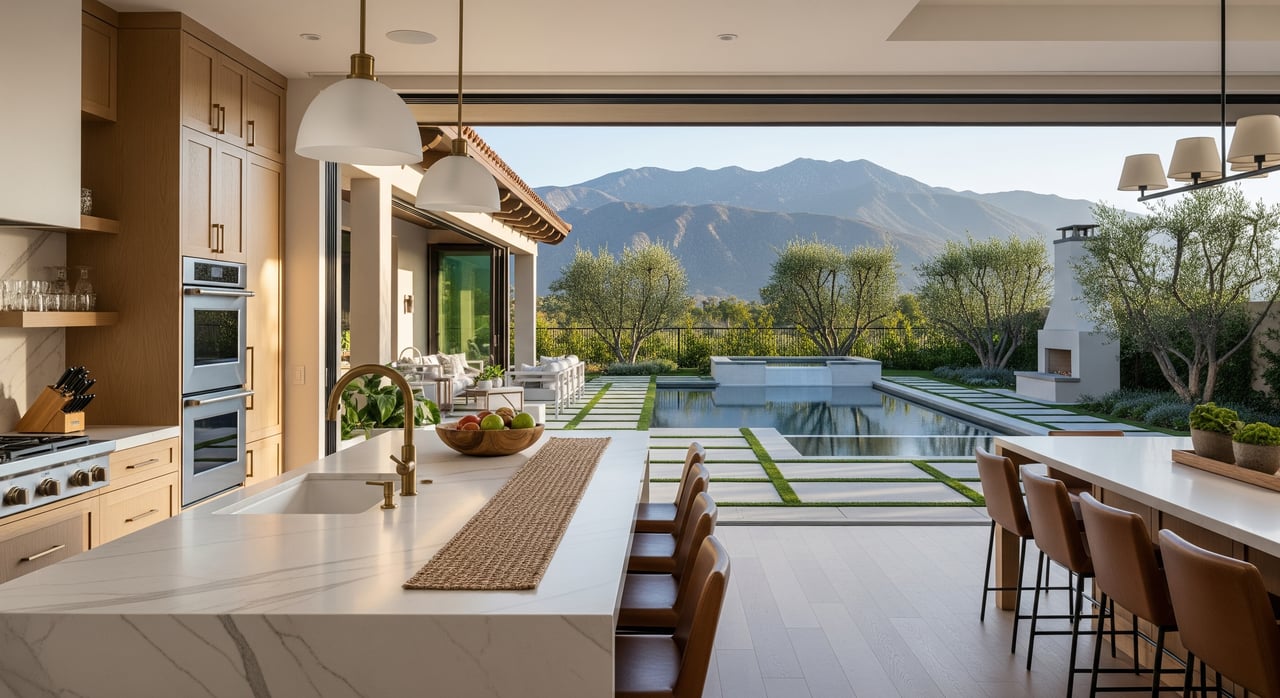
Trying to figure out what today’s Inland Empire buyers actually want? You’re not alone. With hybrid work still common and utility costs on everyone’s mind, buyers across Corona, Riverside, and the Anaheim–Santa Ana–Irvine corridor are zeroing in on homes that work smarter and live easier. In this guide, you’ll see the top features drawing the most attention right now, plus cost‑smart ways to prep your home from winter into spring and showcase those strengths with great photos. Let’s dive in.
What Inland Empire buyers want now
Flex spaces for work and life
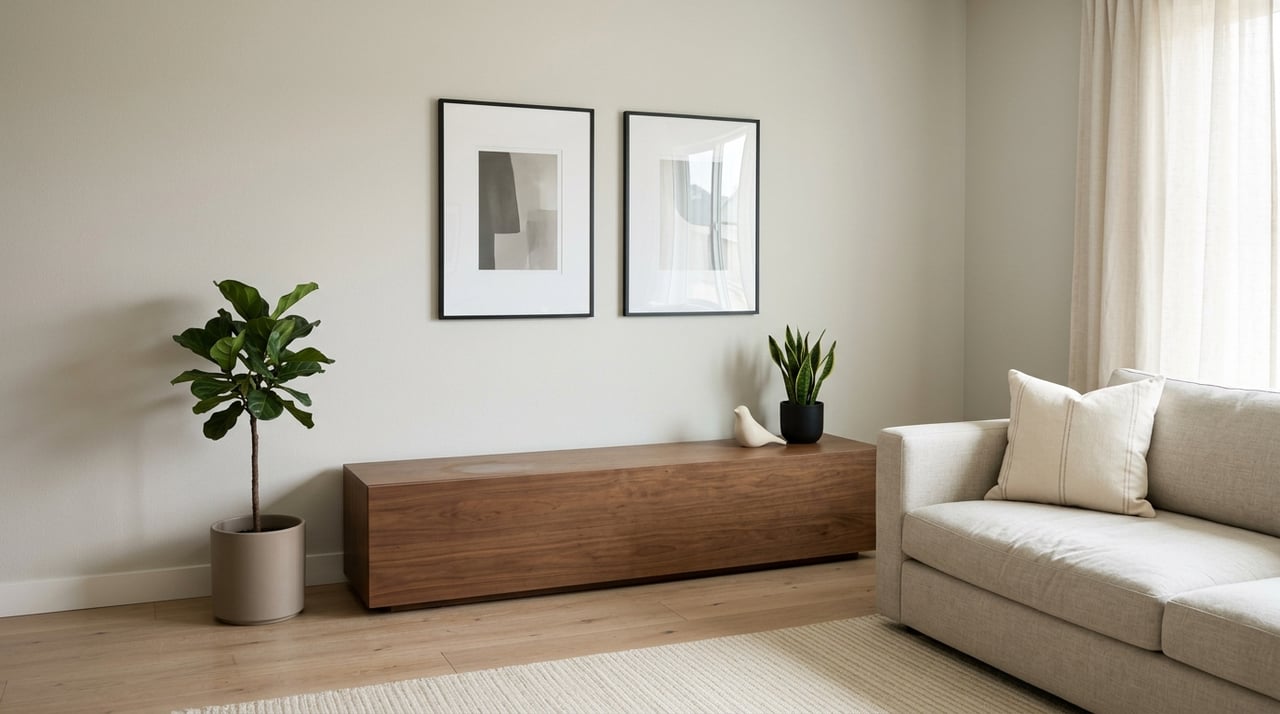
Hybrid work isn’t going away, and buyers look for rooms that can shift between office, guest room, gym, or study. In Corona and Riverside neighborhoods where square footage stretches further, a well-staged flex room can tip the scales in your favor.
- What buyers love: bright rooms with natural light, privacy from busy living areas, and handy outlets or USB ports.
- Quick wins: declutter, add a desk vignette, improve lighting, and show the room as an office in listing photos.
- Mid-range upgrades: built‑in shelving, updated outlets, and confirming reliable internet options for the address.
When you market, highlight flexible floor plan potential and consider showing alternate uses in your description. A staged office scene helps buyers imagine daily life.
Energy efficiency and electrification
Efficient systems matter in our warmer climate. Buyers want lower operating costs, modern comfort, and future‑ready features.
- High‑impact features: owned solar or clear solar documentation, efficient HVAC or heat pumps, double‑pane windows, and good insulation.
- Everyday upgrades: LED lighting and a smart thermostat are budget‑friendly and buyer‑friendly.
- EV‑ready details: a dedicated 240V circuit or a plug‑in charger is often worth calling out.
Federal and state incentives can help with solar and electrification upgrades. If you’ve installed qualifying systems, note incentives in your marketing and keep documentation handy. Always verify your project’s eligibility before you advertise a credit in your listing materials.
Low‑maintenance, drought‑tolerant yards
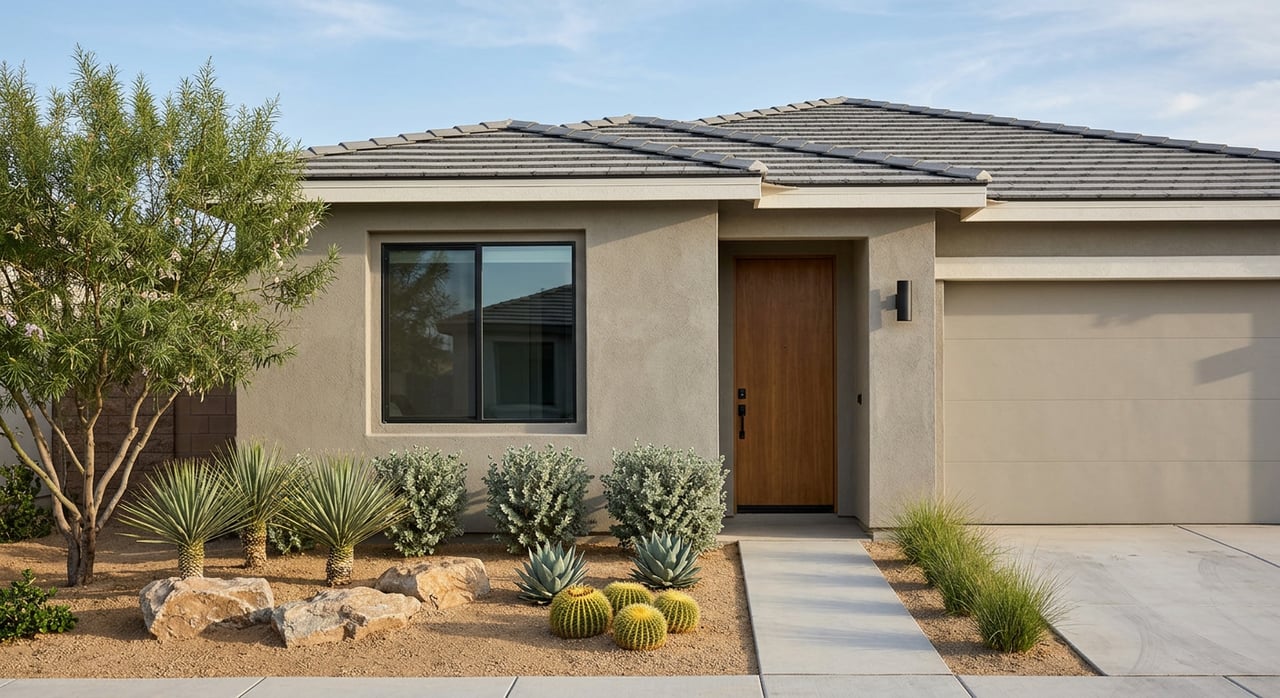
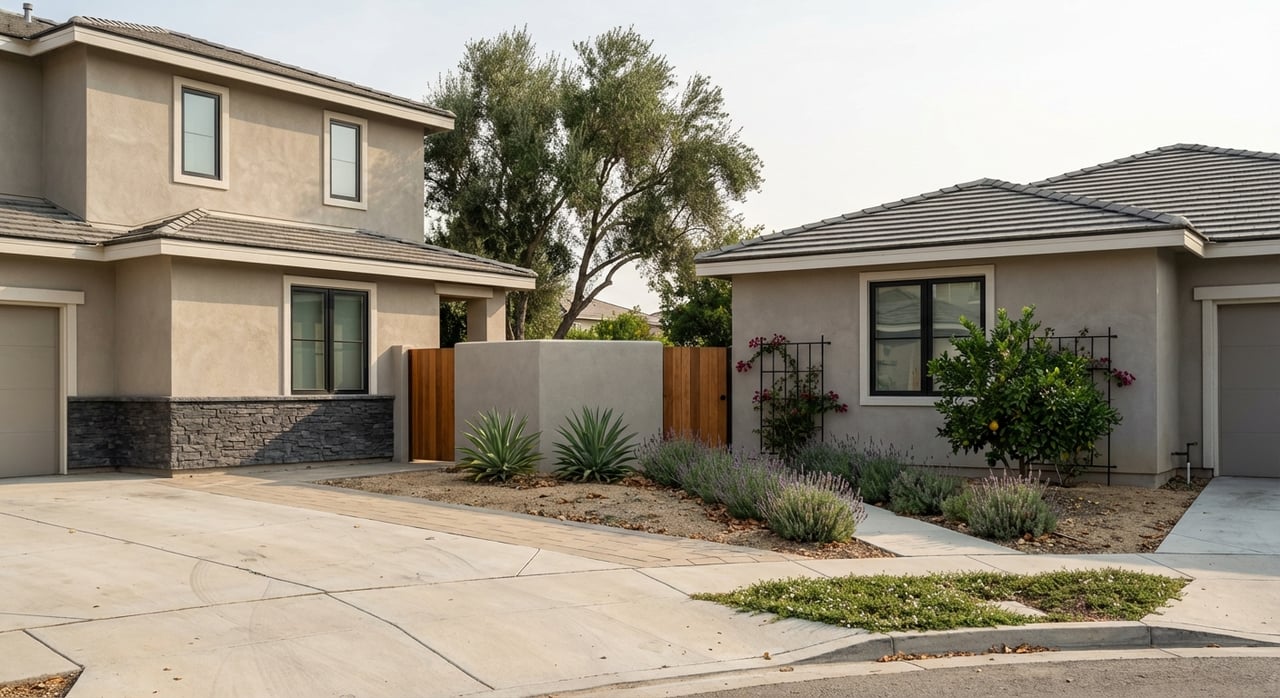
The Inland Empire’s semi‑arid climate makes water‑wise landscaping both practical and appealing. Buyers want outdoor spaces they can enjoy without heavy upkeep or irrigation.
- Popular choices: drought‑tolerant plantings, decomposed granite or mulch, drip irrigation, and low‑water turf alternatives or artificial turf.
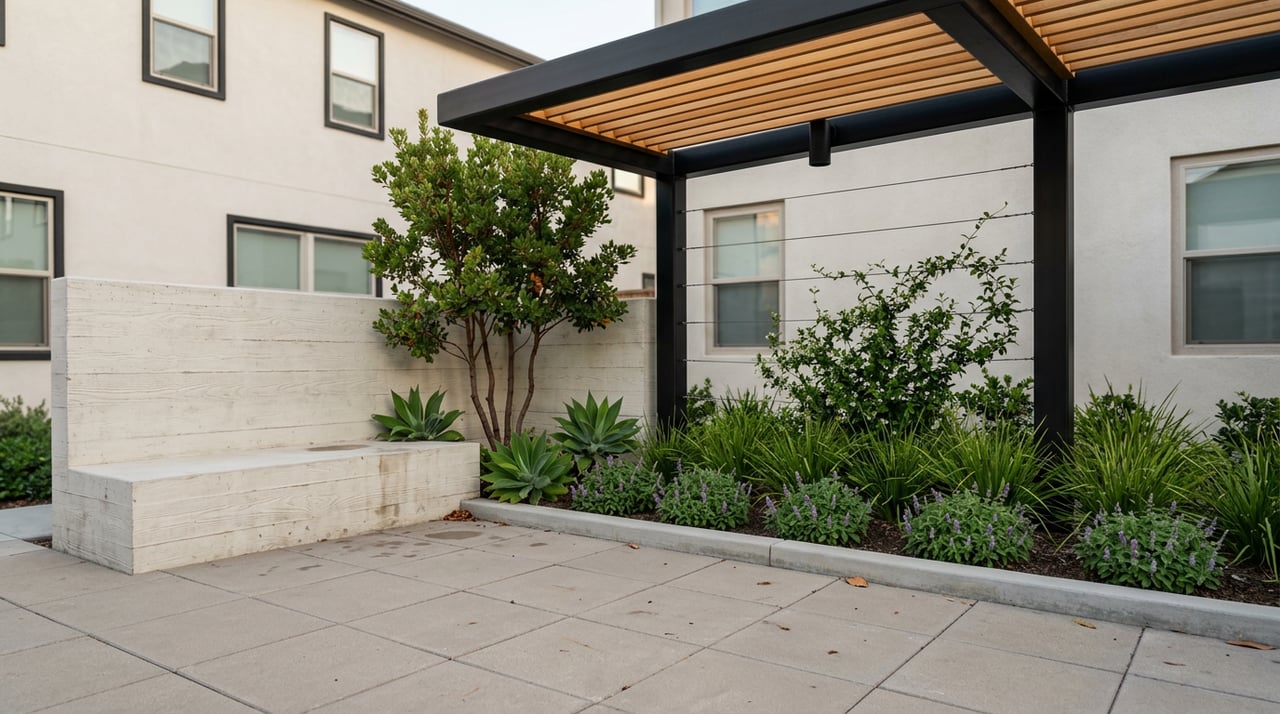
- Outdoor living: paver patios, shade structures, and simple seating areas extend how you use the yard.
- Cost‑smart refresh: prune, remove dead plants, refresh mulch, and power‑wash hard surfaces for quick curb appeal.
Local water agencies sometimes offer turf‑removal or smart irrigation rebates. Check your city or water district’s current programs and keep any rebate paperwork available for buyers.
ADU potential for income and flexibility
Accessory Dwelling Units are a standout in California. They offer rental income potential, multigenerational living, or guest space. In many Inland Empire neighborhoods, lot sizes and layouts make ADU potential a real draw.
- What buyers ask: Is there an existing permitted ADU? If not, does the lot look ADU‑capable? What is the parking situation?
- If you have an ADU: assemble permits, rental history, utility details, and warranties. Clear documentation strengthens value and reduces friction.
- If you have potential: consider a simple feasibility summary based on local planning guidance. Buyers appreciate clarity on what might be possible.
California has statewide ADU laws that streamline development, but specific requirements still vary by city and county. Corona, Riverside County, Anaheim, Santa Ana, and Irvine each have their own applications, setbacks, and utility rules. Encourage interested buyers to verify details with the local planning department.
Winter-to-spring seller action plan
Use winter to prep thoughtfully so you can launch strong in spring. Here’s a practical, cost‑smart sequence.
1) Clean, repair, and document
- Service HVAC, check the water heater, clean gutters, and test smoke and carbon detectors.
- Fix obvious wear: peeling paint, squeaky hinges, damaged screens, and dated fixtures.
- Gather paperwork: roof, HVAC, solar, window receipts, permits, warranties, and service logs.
2) Boost curb appeal
- Power‑wash siding and driveways; refresh mulch; prune and remove dead growth.
- Paint the front door, update the porch light, and add simple, drought‑friendly planters.
- Tidy the side yard and remove clutter so the exterior reads clean and low‑maintenance.
3) Stage and declutter
- Neutralize décor and remove personal photos so buyers focus on the home.
- Stage one room clearly as a home office to spotlight flex potential.
- Define outdoor zones with simple furniture to show how the yard lives.
4) Minor interior updates with big impact
- Fresh, neutral paint brightens the whole home.
- Update cabinet hardware and light fixtures for a modern look without a full remodel.
- Install LED bulbs and add a smart thermostat to underscore efficiency.
5) Energy and systems readiness
- Service HVAC and change filters; label the next filter‑change date.
- Consider inexpensive efficiency wins like weather‑stripping or attic insulation top‑ups.
- If your water heater or HVAC is at end of life, replacement before listing can reassure buyers.
6) ADU readiness and paperwork
- If you have an ADU, compile permits, rental records, and utility documentation.
- For ADU potential, do a light feasibility check with the city or a local consultant. A simple summary can help buyers see the possibilities.
Cost tiers to guide decisions
- Low (under $1,000): paint touch‑ups, deep cleaning, staging an office, smart thermostat, LED bulbs.
- Mid ($1,000–$5,000): landscaping refresh, updated fixtures and hardware, minor bath refresh, professional photography.
- Higher ($5,000+): HVAC replacement, roof repairs, turf removal and landscape redesign, early ADU feasibility work.
Show it off: photos and presentation
Professional photography and a well‑structured listing help buyers notice the features they care about most.
Photography best practices
- Hire a professional when possible. Wide‑angle interiors, clear exterior context, and detail shots of upgrades matter.
- Capture key details: solar panels and inverter, smart thermostat display, new HVAC equipment, and upgraded windows.
- Use twilight shots for curb appeal and outdoor living. The right light can elevate patios, pergolas, and low‑maintenance plants.
- Include a floor plan and, if possible, a virtual tour to demonstrate layout and flex spaces.
Staging visuals by feature
- Flex spaces: stage with a desk, chair, lamp, and plant. Keep cords hidden and surfaces tidy.
- Energy features: include close‑ups of smart tech and a simple “upgrades” PDF for showings.
- Low‑maintenance yards: show clean pathways, seating zones, and any drip irrigation or native plants.
- ADUs: photograph interiors, exteriors, and a site view that shows how the unit relates to the main home.
Local checks before you list
A few location‑specific items can influence buyer confidence and value. Before you go live, it’s smart to verify:
- ADU rules and timelines: Review California guidance and then confirm current requirements with your city planning department.
- Energy incentives: Check federal credits and any state or utility rebates for solar, heat pumps, or electrification.
- Water‑wise rebates: Explore turf removal and smart irrigation programs through your local water agency.
- Short‑term rental rules: If you plan to market rental potential, confirm city regulations for STRs.
Rules and incentives change. If you plan to advertise specific benefits in your listing, verify details with the appropriate agency or a qualified local professional.
Ready to align your home with what Inland Empire buyers want now? Let’s tailor a simple plan for your timeline and budget. Connect with Rocio Valenzuela for a free, local strategy session and step‑by‑step guidance from prep to closing.
FAQs
What is a flex space and how should I stage it?
- A flex space is a room that serves multiple uses, like an office or guest room; stage it with a desk, good lighting, and minimal clutter so buyers can picture daily use.
How much value can a permitted ADU add, and what should I provide?
- Permitted ADUs are highly attractive; provide permits, rental history, utility details, and warranties so buyers can assess value and avoid closing delays.
Are solar panels worth it for a Corona or Riverside home, and what must I disclose?
- Buyers appreciate lower energy costs; disclose whether solar is owned or leased, include system documents, and note any incentives if applicable and verified.
What are cost‑effective landscaping updates for Inland Empire yards?
- Refresh mulch, remove dead plants, prune, power‑wash hardscapes, and define a simple seating area; consider drip irrigation or drought‑tolerant plants for lasting appeal.
How much should I spend on listing photos and tours, and which shots matter?
- Budget for professional photos if you can; prioritize wide‑angle interiors, curb appeal, outdoor living, and detail shots of upgrades, plus a floor plan or virtual tour.
Which low‑cost energy upgrades appeal to today’s buyers?
- LED lighting, a smart thermostat, weather‑stripping, and basic insulation improvements are affordable, noticeable, and align with efficiency expectations.
How do local ADU rules affect what I can build, and where do I start?
- California allows ADUs statewide, but specifics vary by city; start with your local planning department for current setbacks, sizes, parking, and utility requirements.
Should I advertise “EV‑charging ready,” or install a charger before listing?
- If you have a dedicated 240V circuit or plug‑in charger, advertise it; adding a circuit can be a small upgrade that signals future‑ready convenience.
How should I organize permits and warranties for buyers?
- Create a labeled folder or PDF with permits, receipts, service logs, and warranties for major systems like roof, HVAC, solar, windows, and appliances.